
Go back
The CSS Zen Garden
The CSS Zen Garden challenge explores how a single HTML document can be transformed through visual design alone.
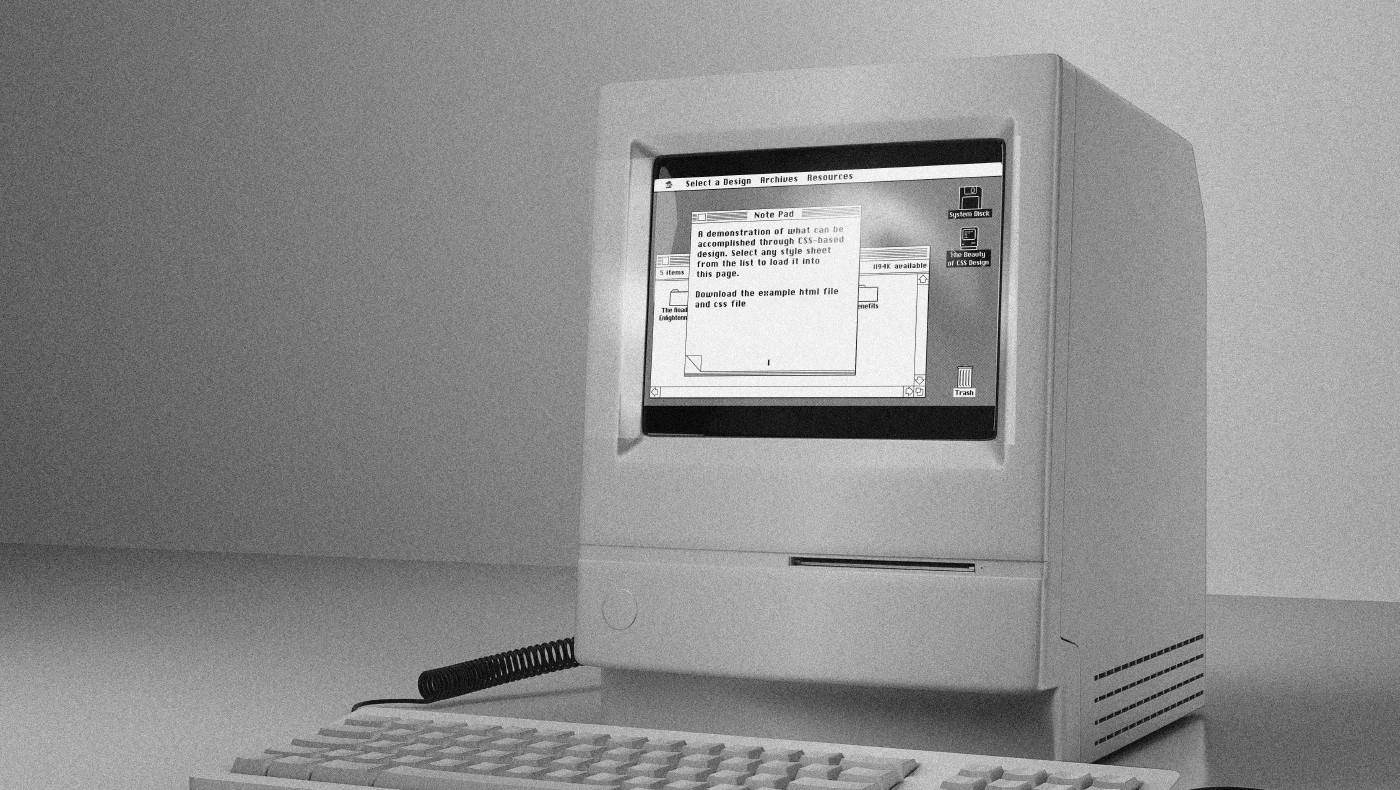
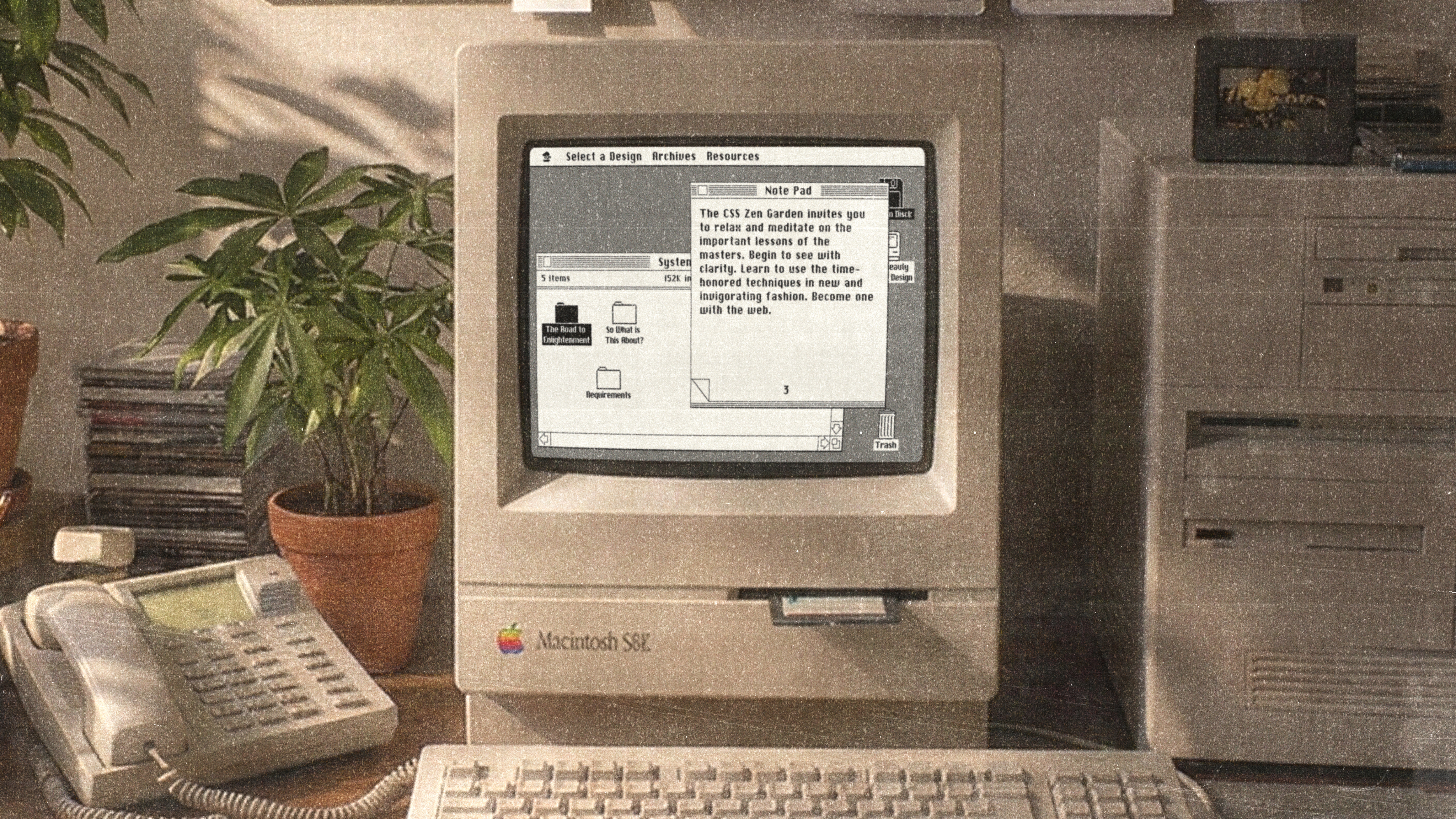
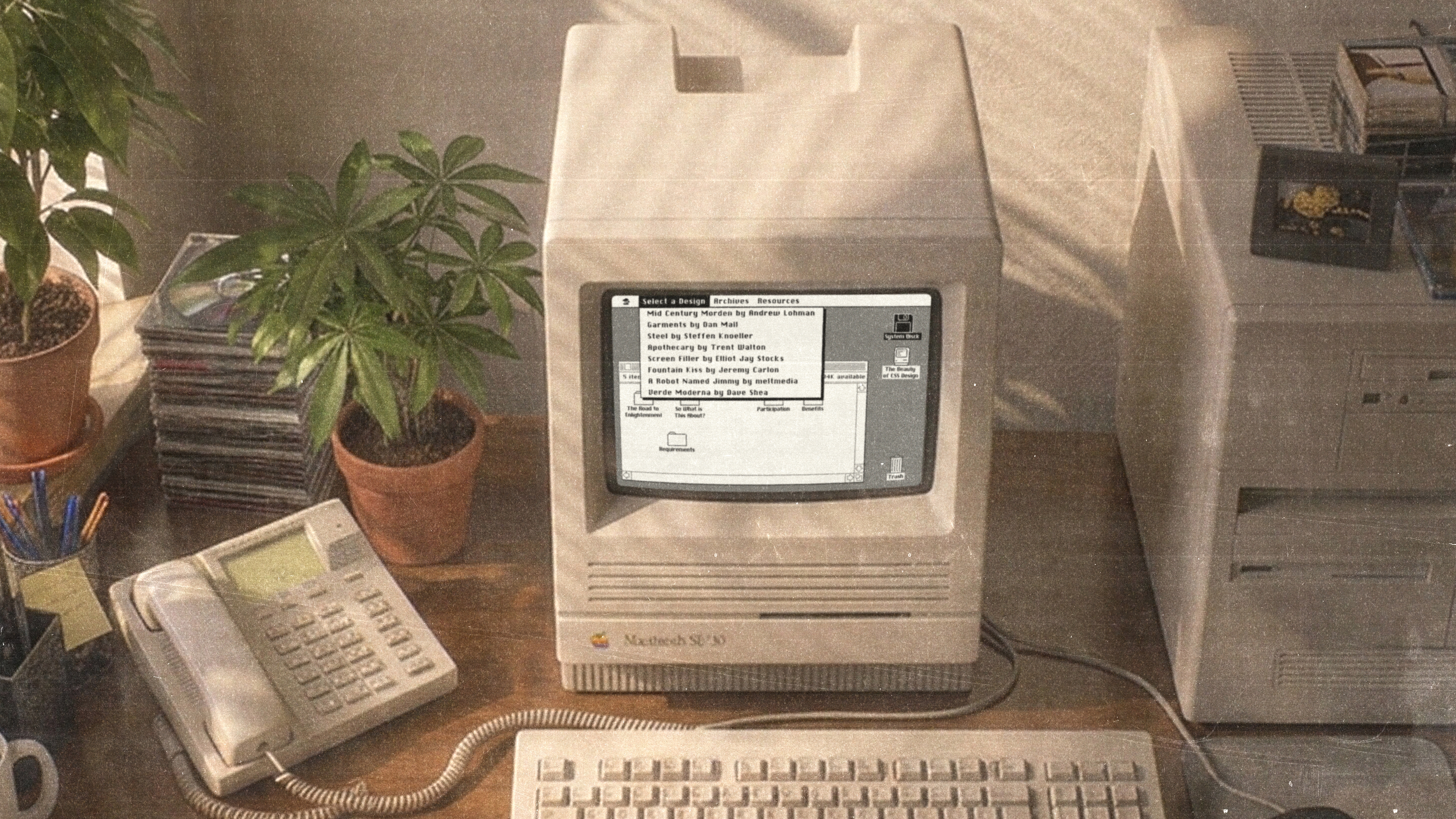
This project reimagines the experience through the visual language of the Macintosh 128K, drawing inspiration from one of the most influential graphical user interfaces in computing history.
Beyond Nostalgia
The project goes beyond recreating the look of the Macintosh 128K. The focus was on understanding what made the original interface work so well, its clarity, visual hierarchy, consistency, and intuitive interaction, by using those same principles as the foundation for translating its visual language into a contemporary web experience.
Research, redraw, and rebuild
This project was entirely a solo effort, from the first research into the Macintosh 128K through to the final build. I handled every stage: digging into the machine's history, sketching wireframes, redrawing the icons from scratch, designing and prototyping in Figma, and finally building the site in HTML and CSS.
From Sketch to Screen
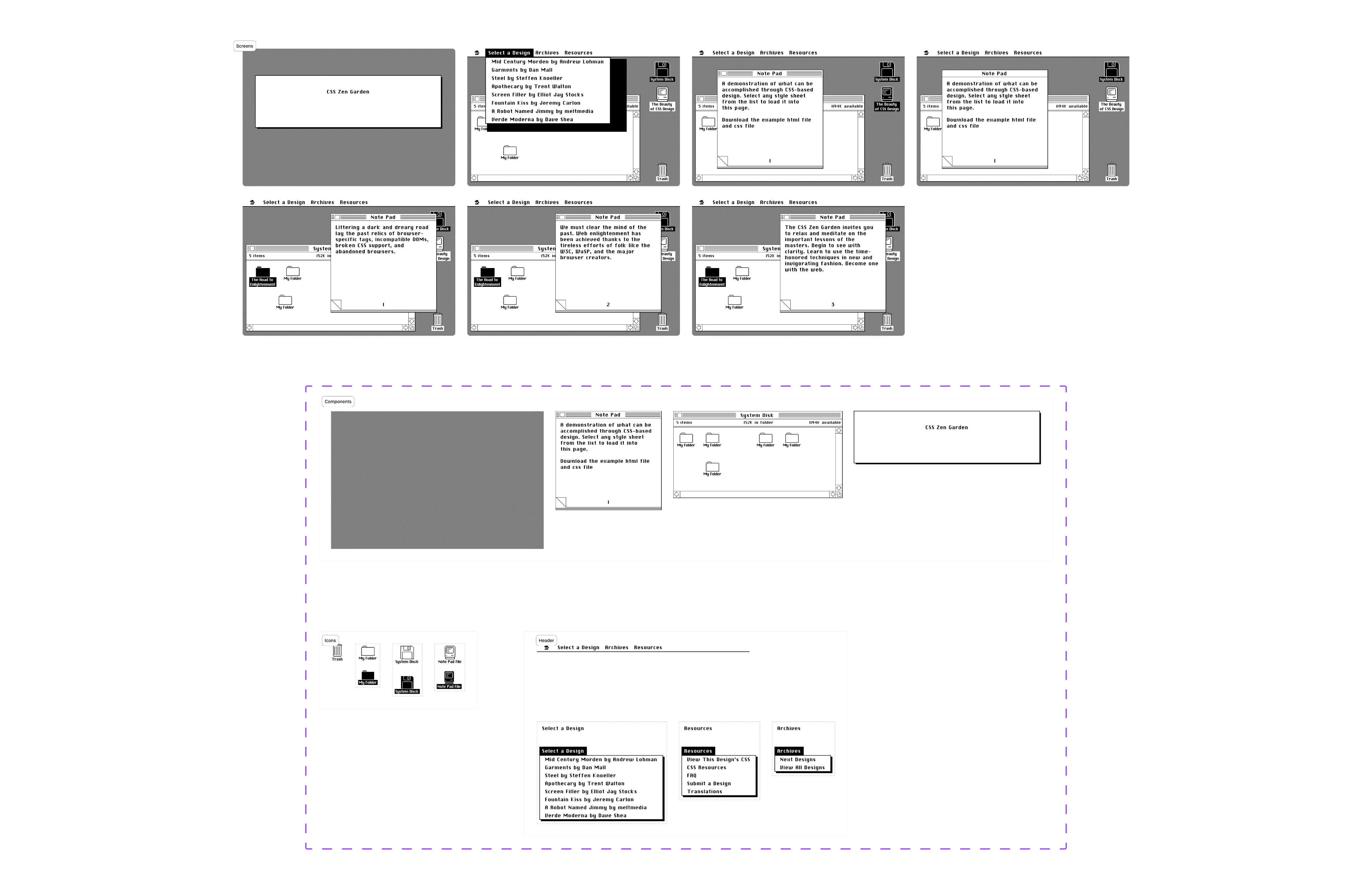
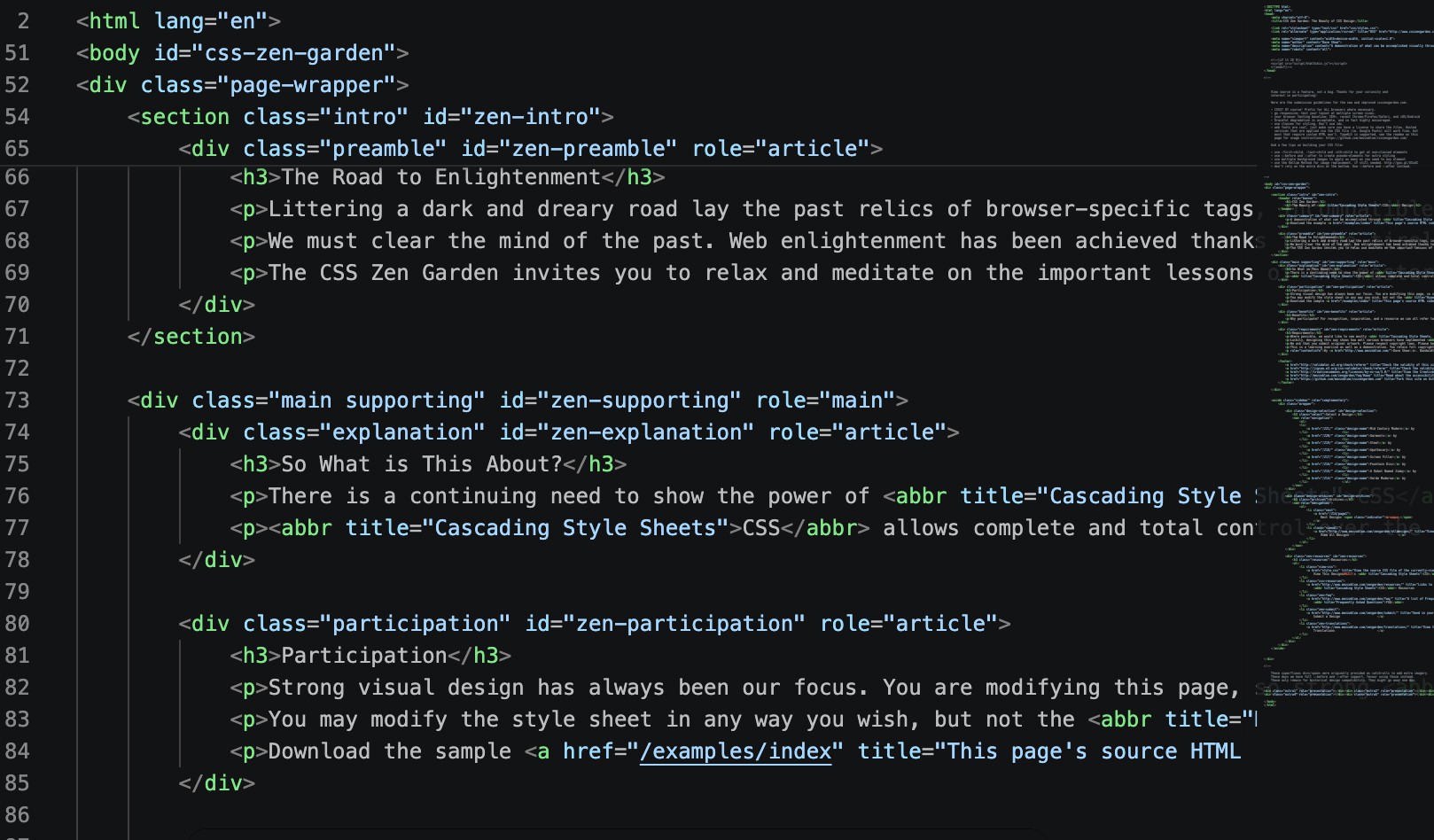
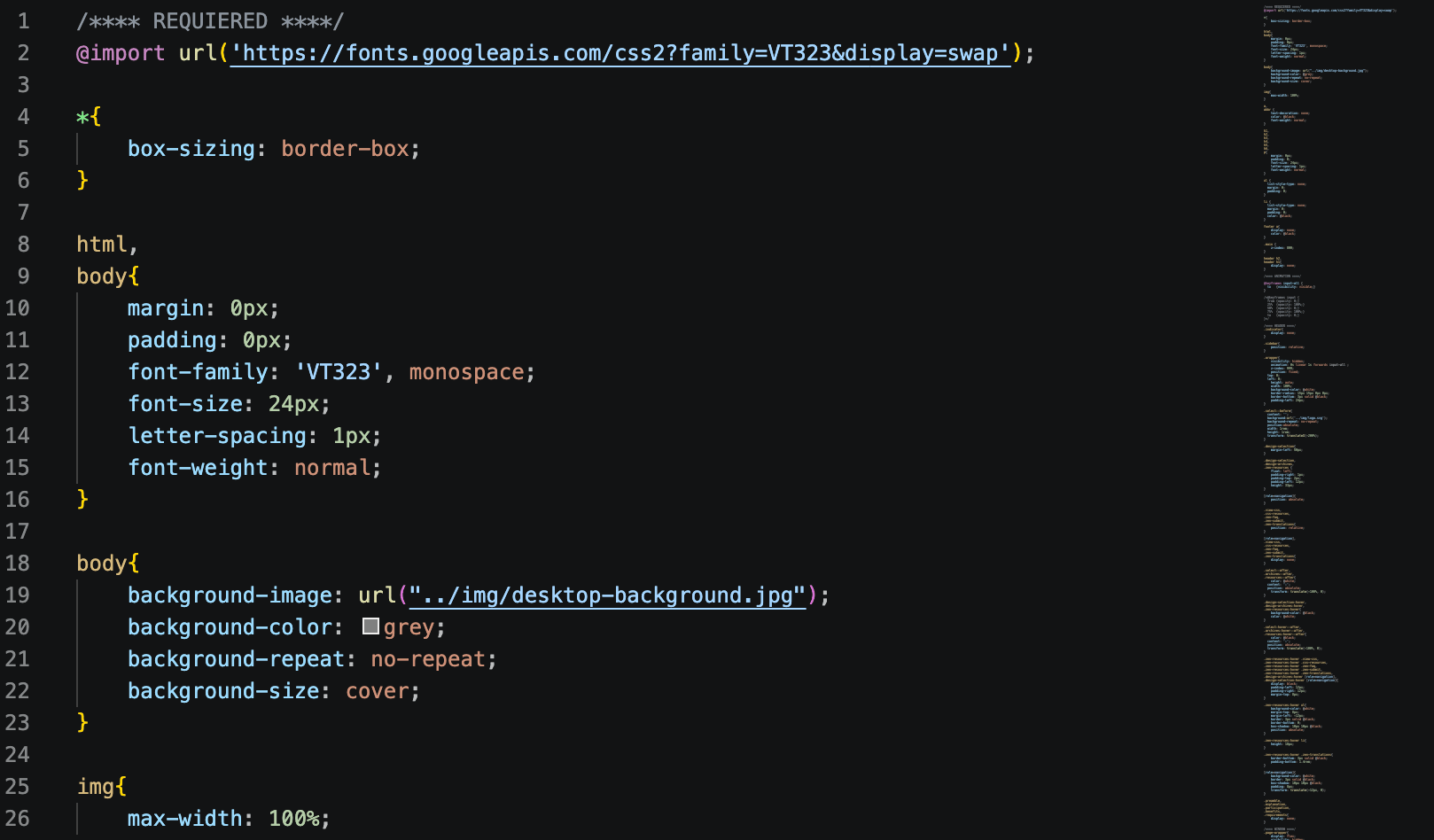
The process started with research into the Macintosh 128K itself, looking at how the original interface handled hierarchy, spacing, and interaction. From there it moved into wireframes, followed by the icons, which were redrawn from scratch based on the originals rather than simply reused. Each screen was then designed and prototyped in Figma, allowing the layout and flow to be tested before any code was written. Once that was in place, the build moved into HTML and CSS in Visual Studio Code, translating what had been worked out in the prototype into a functioning interface.
Tools


Designed in
March 2022
Building the System
The monochrome palette, typography, window-inspired components and generous use of whitespace come together to form a visual system that balances nostalgia with usability. Familiar interface metaphors help create a sense of recognition, while the overall hierarchy guides users naturally through the content.
Design as Structure
A key part of the process was exploring how early graphical interfaces made complex technology feel approachable. Rather than using the Macintosh aesthetic purely as decoration, its principles were applied to the structure and organization of the experience, creating a cohesive relationship between content, navigation and visual identity.
Working Within Constraints
The constraints of CSS Zen Garden also shaped the design approach. With the HTML structure fixed, the challenge was to transform the experience through visual communication alone. This encouraged a more intentional approach to hierarchy, layout, typography, and interaction, and it shows how much interface design on its own can influence the way users perceive and navigate the same underlying content.
What the past can teach the present
Ultimately, the project explores how historical interface principles can be reinterpreted for the contemporary web, combining visual storytelling with clear information hierarchy to create an engaging, user-centered experience.

Filipa Silva
The CSS Zen Garden
The CSS Zen Garden challenge explores how a single HTML document can be transformed through visual design alone.
This project reimagines the experience through the visual language of the Macintosh 128K, drawing inspiration from one of the most influential graphical user interfaces in computing history.
Beyond Nostalgia
The project goes beyond recreating the look of the Macintosh 128K. The focus was on understanding what made the original interface work so well, its clarity, visual hierarchy, consistency, and intuitive interaction, by using those same principles as the foundation for translating its visual language into a contemporary web experience.
Research, redraw, and rebuild
This project was entirely a solo effort, from the first research into the Macintosh 128K through to the final build. I handled every stage: digging into the machine's history, sketching wireframes, redrawing the icons from scratch, designing and prototyping in Figma, and finally building the site in HTML and CSS.
From Sketch to Screen
The process started with research into the Macintosh 128K itself, looking at how the original interface handled hierarchy, spacing, and interaction. From there it moved into wireframes, followed by the icons, which were redrawn from scratch based on the originals rather than simply reused. Each screen was then designed and prototyped in Figma, allowing the layout and flow to be tested before any code was written. Once that was in place, the build moved into HTML and CSS in Visual Studio Code, translating what had been worked out in the prototype into a functioning interface.
Tools

Designed in
March 2022
Building the System
The monochrome palette, typography, window-inspired components and generous use of whitespace come together to form a visual system that balances nostalgia with usability. Familiar interface metaphors help create a sense of recognition, while the overall hierarchy guides users naturally through the content.
Design as Structure
A key part of the process was exploring how early graphical interfaces made complex technology feel approachable. Rather than using the Macintosh aesthetic purely as decoration, its principles were applied to the structure and organization of the experience, creating a cohesive relationship between content, navigation and visual identity.
Working Within Constraints
The constraints of CSS Zen Garden also shaped the design approach. With the HTML structure fixed, the challenge was to transform the experience through visual communication alone. This encouraged a more intentional approach to hierarchy, layout, typography, and interaction, and it shows how much interface design on its own can influence the way users perceive and navigate the same underlying content.
What the past can teach the present
Ultimately, the project explores how historical interface principles can be reinterpreted for the contemporary web, combining visual storytelling with clear information hierarchy to create an engaging, user-centered experience.
Filipa Silva
The CSS Zen Garden
The CSS Zen Garden challenge explores how a single HTML document can be transformed through visual design alone.
This project reimagines the experience through the visual language of the Macintosh 128K, drawing inspiration from one of the most influential graphical user interfaces in computing history.
Beyond Nostalgia
The project goes beyond recreating the look of the Macintosh 128K. The focus was on understanding what made the original interface work so well, its clarity, visual hierarchy, consistency, and intuitive interaction, by using those same principles as the foundation for translating its visual language into a contemporary web experience.
Research, redraw, and rebuild
This project was entirely a solo effort, from the first research into the Macintosh 128K through to the final build. I handled every stage: digging into the machine's history, sketching wireframes, redrawing the icons from scratch, designing and prototyping in Figma, and finally building the site in HTML and CSS.
From Sketch to Screen
The process started with research into the Macintosh 128K itself, looking at how the original interface handled hierarchy, spacing, and interaction. From there it moved into wireframes, followed by the icons, which were redrawn from scratch based on the originals rather than simply reused. Each screen was then designed and prototyped in Figma, allowing the layout and flow to be tested before any code was written. Once that was in place, the build moved into HTML and CSS in Visual Studio Code, translating what had been worked out in the prototype into a functioning interface.
Tools
Designed in
March 2022

Building the System
The monochrome palette, typography, window-inspired components and generous use of whitespace come together to form a visual system that balances nostalgia with usability. Familiar interface metaphors help create a sense of recognition, while the overall hierarchy guides users naturally through the content.
Design as Structure
A key part of the process was exploring how early graphical interfaces made complex technology feel approachable. Rather than using the Macintosh aesthetic purely as decoration, its principles were applied to the structure and organization of the experience, creating a cohesive relationship between content, navigation and visual identity.
Working Within Constraints
The constraints of CSS Zen Garden also shaped the design approach. With the HTML structure fixed, the challenge was to transform the experience through visual communication alone. This encouraged a more intentional approach to hierarchy, layout, typography, and interaction, and it shows how much interface design on its own can influence the way users perceive and navigate the same underlying content.
What the past can teach the present
Ultimately, the project explores how historical interface principles can be reinterpreted for the contemporary web, combining visual storytelling with clear information hierarchy to create an engaging, user-centered experience.
Filipa Silva
The CSS Zen Garden
The CSS Zen Garden challenge explores how a single HTML document can be transformed through visual design alone.
This project reimagines the experience through the visual language of the Macintosh 128K, drawing inspiration from one of the most influential graphical user interfaces in computing history.
Beyond Nostalgia
The project goes beyond recreating the look of the Macintosh 128K. The focus was on understanding what made the original interface work so well, its clarity, visual hierarchy, consistency, and intuitive interaction, by using those same principles as the foundation for translating its visual language into a contemporary web experience.
Research, redraw, and rebuild
This project was entirely a solo effort, from the first research into the Macintosh 128K through to the final build. I handled every stage: digging into the machine's history, sketching wireframes, redrawing the icons from scratch, designing and prototyping in Figma, and finally building the site in HTML and CSS.
From Sketch to Screen
The process started with research into the Macintosh 128K itself, looking at how the original interface handled hierarchy, spacing, and interaction. From there it moved into wireframes, followed by the icons, which were redrawn from scratch based on the originals rather than simply reused. Each screen was then designed and prototyped in Figma, allowing the layout and flow to be tested before any code was written. Once that was in place, the build moved into HTML and CSS in Visual Studio Code, translating what had been worked out in the prototype into a functioning interface.
Tools
Designed in
March 2022
Building the System
The monochrome palette, typography, window-inspired components and generous use of whitespace come together to form a visual system that balances nostalgia with usability. Familiar interface metaphors help create a sense of recognition, while the overall hierarchy guides users naturally through the content.
Design as Structure
A key part of the process was exploring how early graphical interfaces made complex technology feel approachable. Rather than using the Macintosh aesthetic purely as decoration, its principles were applied to the structure and organization of the experience, creating a cohesive relationship between content, navigation and visual identity.
Working Within Constraints
The constraints of CSS Zen Garden also shaped the design approach. With the HTML structure fixed, the challenge was to transform the experience through visual communication alone. This encouraged a more intentional approach to hierarchy, layout, typography, and interaction, and it shows how much interface design on its own can influence the way users perceive and navigate the same underlying content.
What the past can teach the present
Ultimately, the project explores how historical interface principles can be reinterpreted for the contemporary web, combining visual storytelling with clear information hierarchy to create an engaging, user-centered experience.